
The role of luck in gambling Is it just chance or more World Cup
The role of luck in gambling Is it just chance or more World Cup
The Nature of Luck in Gambling
Luck plays a pivotal role in gambling, often making it a topic of debate among enthusiasts and skeptics alike. At its core, gambling is designed to be unpredictable; outcomes are frequently influenced by random chance. From the spin of a roulette wheel to the shuffle of a deck of cards, chance dictates the results. While skilled players can certainly improve their odds in certain games, the element of luck remains an undeniable factor that can shift the balance in an instant. For those seeking timely insights, Daily FIFA World Cup updates on worldcupforecast.com offer valuable information.
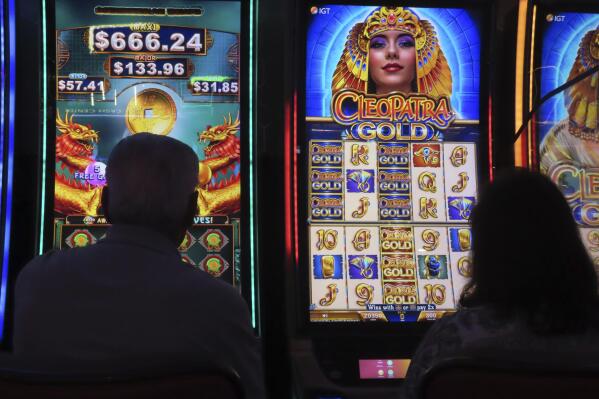
Many casino games, such as slot machines, are predominantly based on luck. Players insert their money and hope for the best, with the outcome dictated entirely by a random number generator. This randomness is precisely what draws many people to gambling; the thrill of the unknown can be intoxicating. Furthermore, even in games where skill plays a role, such as poker, luck can dramatically influence short-term results. A player may possess superior skills but still lose due to an unforeseen lucky draw by their opponent.
Another aspect of luck in gambling is its psychological impact on players. Gamblers often rely on superstitions or rituals, believing they can sway luck in their favor. This phenomenon underscores the complex relationship between skill and chance, where mental biases can lead players to attribute outcomes to factors beyond their control. Whether it’s wearing a ‘lucky’ shirt or following a specific betting pattern, these behaviors illustrate how deeply intertwined luck and gambling can be.
Skill Versus Chance: The Gambling Dichotomy
While luck undeniably plays a role, the debate continues around the significance of skill in gambling. Certain games are heavily skill-based, such as poker, blackjack, and sports betting, where players can make informed decisions to enhance their winning probabilities. A skilled poker player might leverage their knowledge of probability, reading opponents, and psychological tactics to navigate the complexities of the game. Here, skill can significantly mitigate the randomness associated with luck, turning the tables in their favor over time.
Conversely, games like slots and lotteries are primarily reliant on chance, where players have little to no influence over the outcomes. The distinction between skill and chance is crucial in understanding gambling behavior. Many players recognize that while they can develop strategies for skill-based games, there remains an inherent risk tied to the unpredictable nature of luck. The balance of these elements often determines a gambler’s experience, influencing not just how they play but how they feel about their chances of winning.
Moreover, the interplay between skill and chance contributes to the overall allure of gambling. The thrill of placing a bet based on knowledge can be exciting, but the uncertainty brought by luck enhances the experience. Gamblers often accept the risk of losing while simultaneously hoping for a fortunate turn of events. This tension between skill and chance creates a dynamic environment that keeps players engaged, blending strategy with the exhilarating unpredictability that luck brings.
The Impact of Major Events on Gambling Dynamics
Large-scale sporting events, such as the FIFA World Cup, provide a unique landscape for gambling. These occasions create a heightened sense of excitement and anticipation, attracting both seasoned bettors and casual fans. The unpredictability of sports outcomes further emphasizes the role of luck, as upsets and surprises frequently occur in tournament formats. For example, a lower-ranked team might unexpectedly defeat a favored opponent, showcasing the unpredictable nature of sports betting.
In the lead-up to major events like the World Cup, gamblers often analyze team performances, player statistics, and historical data. However, despite thorough research, the inherent uncertainty of sports can lead to unexpected results. This is where luck comes into play, as even the most prepared bettors can find themselves surprised by the outcome. The emotional investment that comes with supporting a favorite team adds an additional layer to the gambling experience, intertwining personal hope with the randomness of chance.
As the World Cup approaches, various betting markets emerge, offering diverse opportunities for gamblers to place their wagers. From match outcomes to specific player performances, the possibilities are endless. Yet, amid meticulous strategy, luck remains a crucial factor, reminding bettors that outcomes can shift dramatically, often in the blink of an eye. The blend of strategy, anticipation, and luck characterizes the gambling experience during such high-stakes events, making it both thrilling and unpredictable.
The Psychological Influence of Luck in Gambling
The psychology of luck plays a significant role in shaping gamblers’ perceptions and behaviors. Many individuals approach gambling with a belief in luck’s ability to sway outcomes in their favor. This belief can lead to both positive and negative consequences, from the joy of hitting a jackpot to the despair of a losing streak. Gamblers often find comfort in superstitions and rituals, which help them cope with the inherent uncertainty of their activities.
Moreover, cognitive biases, such as the gambler’s fallacy, can influence betting behavior. This fallacy is the belief that past outcomes can predict future results, leading gamblers to make irrational decisions. For instance, someone may believe that a particular slot machine is ‘due’ for a payout after a series of losses. This psychological influence of luck can fuel behaviors that may not align with mathematical probabilities, further complicating the gambling landscape.
The emotional highs and lows associated with gambling are deeply intertwined with the concept of luck. The anticipation of winning can elevate mood and provide a sense of excitement, while losses can lead to frustration and despair. Understanding this psychological dynamic is essential for both casual gamblers and those involved in professional betting. By recognizing the powerful influence of luck, players can better navigate their emotions and decision-making processes in the unpredictable world of gambling.

World Cup Predictions and the Role of Luck
As we prepare for the FIFA World Cup, predictions become a focal point for both fans and bettors. The excitement surrounding the tournament fosters an environment ripe for analysis and speculation. Experts dive into team statistics, player performances, and historical match data to forecast outcomes. However, the unpredictable nature of sports remains a dominant force, reminding participants that luck can alter the trajectory of a match at any moment.
Betting on World Cup matches often involves a combination of researched predictions and reliance on luck. Even the most knowledgeable analysts cannot account for every variable, such as sudden injuries, weather conditions, or unexpected player performances. This uncertainty adds a layer of complexity, where gut feelings about luck can influence betting decisions, blurring the line between informed choice and chance.
Ultimately, as the World Cup unfolds, the dynamic interplay of analysis and luck will keep fans and bettors on the edge of their seats. While strategies can enhance understanding and improve odds, the unpredictable element of luck will remain a powerful force, reminding everyone that, in the end, anything can happen. This captivating blend of strategy and chance is what makes the World Cup an exciting event for spectators and gamblers alike.